



Telehealth Informed Consent
This notice explains important information about receiving healthcare services through telehealth through Reach Peak Life Inc. and affiliated or independent licensed providers.
Last Updated: May 4, 2026 · Effective Date: May 4, 2026
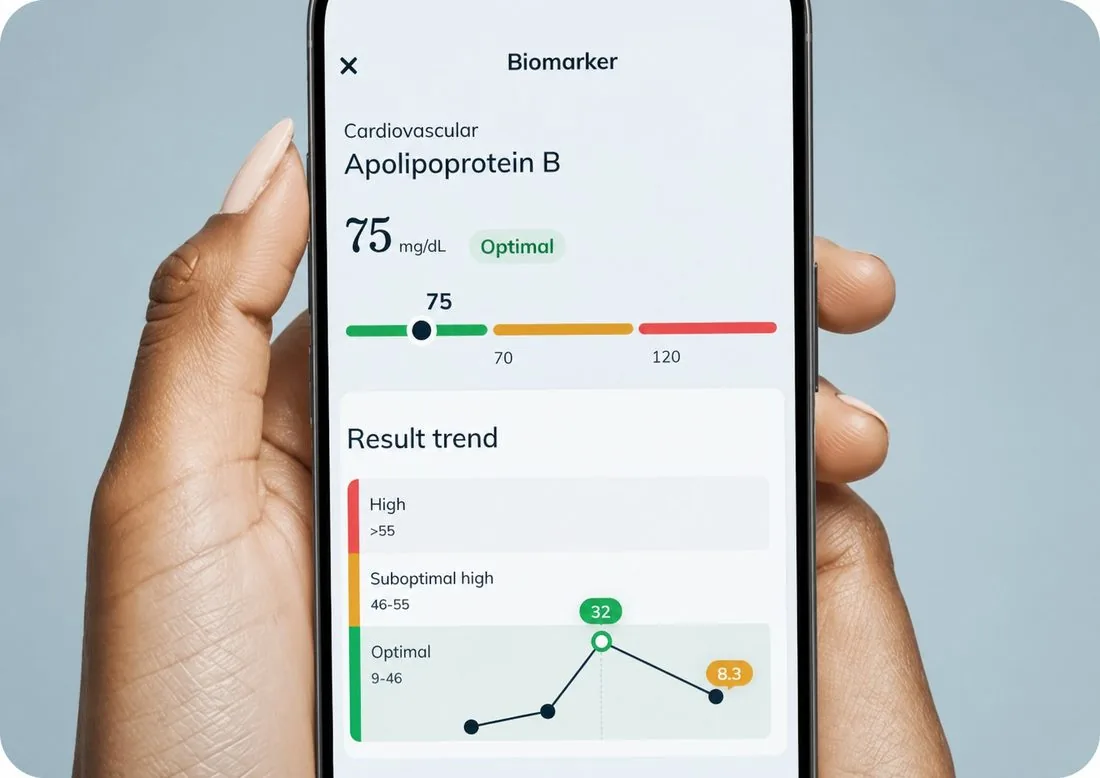
See how your biomarkers, risk factors, and goals translate into next steps.
1. Consent to Telehealth
By requesting, scheduling, or receiving telehealth services, you consent to receive care through secure video, audio, electronic messaging, asynchronous intake forms, remote monitoring tools, or other telehealth technologies when clinically appropriate.
2. Nature of Telehealth
Telehealth allows a licensed healthcare provider to evaluate, diagnose, monitor, educate, and treat patients remotely. Telehealth may include live video visits, phone calls, secure messages, online questionnaires, review of records or laboratory results, prescription management, follow-up care, and care coordination.
3. Colorado and State-Specific Requirements
Telehealth services are provided only where permitted by applicable law and provider licensure. For Colorado patients, telehealth encounters should meet the same professional standard of care applicable to comparable in-person care, and appropriate informed consent should be obtained and documented when required.
4. Benefits and Limitations
- Telehealth can improve convenience, access, follow-up, and continuity of care.
- Telehealth may limit the provider's ability to perform a hands-on physical examination, obtain vital signs, or observe certain clinical findings.
- Your provider may determine that telehealth is not appropriate and may require in-person evaluation, laboratory testing, imaging, prior medical records, referral, or emergency care.
- Technical failures, internet disruption, audio/video problems, or data-transmission issues may interrupt a visit.
5. Emergency and Urgent Care
Telehealth through this platform is not for medical emergencies. If you may be experiencing a medical emergency, call 911 or go to the nearest emergency department. Do not wait for a platform response.
6. Privacy, Security, and Recording
Reasonable safeguards are used to protect telehealth communications, but electronic communications may carry privacy and security risks. You may not record a telehealth encounter without consent. If any third party will observe, participate in, translate, assist, or record, that participation should be disclosed to the provider.
7. Identity, Location, and Accurate Information
You agree to provide accurate identity, contact, date of birth, current physical location, medical history, medication, allergy, pharmacy, and payment information. Your current location may be needed so the provider can determine whether care can lawfully and safely be provided and what emergency resources may be available.
8. Prescriptions
Prescriptions are issued only when medically appropriate after provider evaluation and are subject to federal and state law, pharmacy rules, medication availability, and the treating provider's independent clinical judgment. A prescription is never guaranteed.
9. Alternatives and Withdrawal of Consent
You may request in-person care where available, decline telehealth, or withdraw consent to telehealth. Withdrawing consent may affect whether a particular service can be provided through the platform.
10. Medical Record Documentation
Where required by law, payer policy, clinical policy, or generally accepted standards of practice, your telehealth consent, disclosures, encounter details, treatment plan, prescriptions, and follow-up instructions may be documented and retained in your medical record.